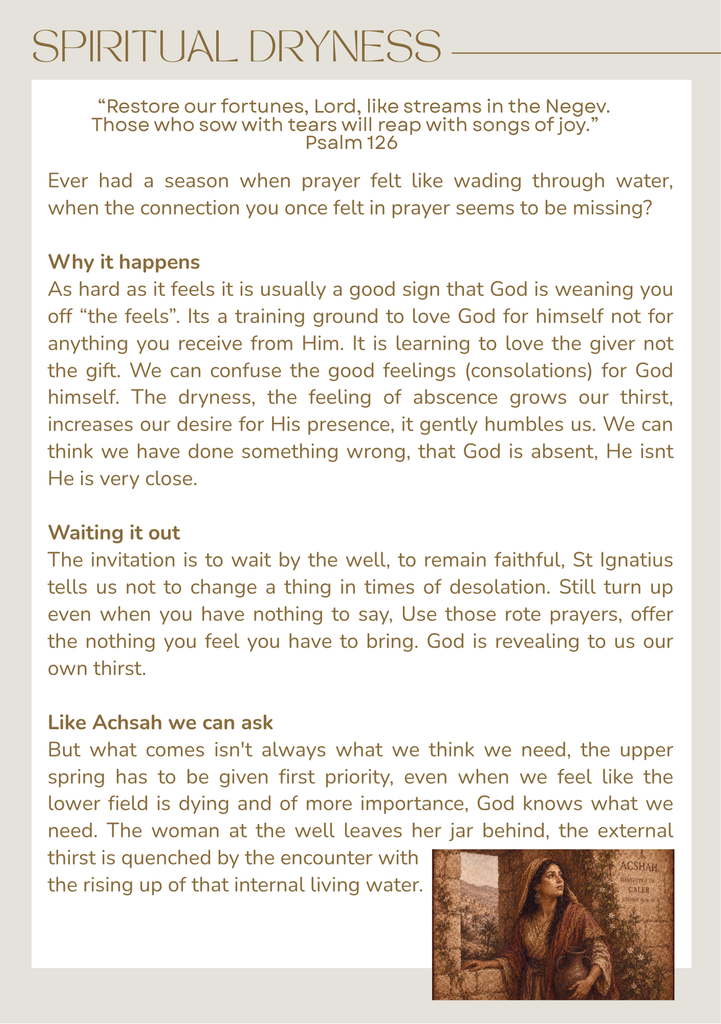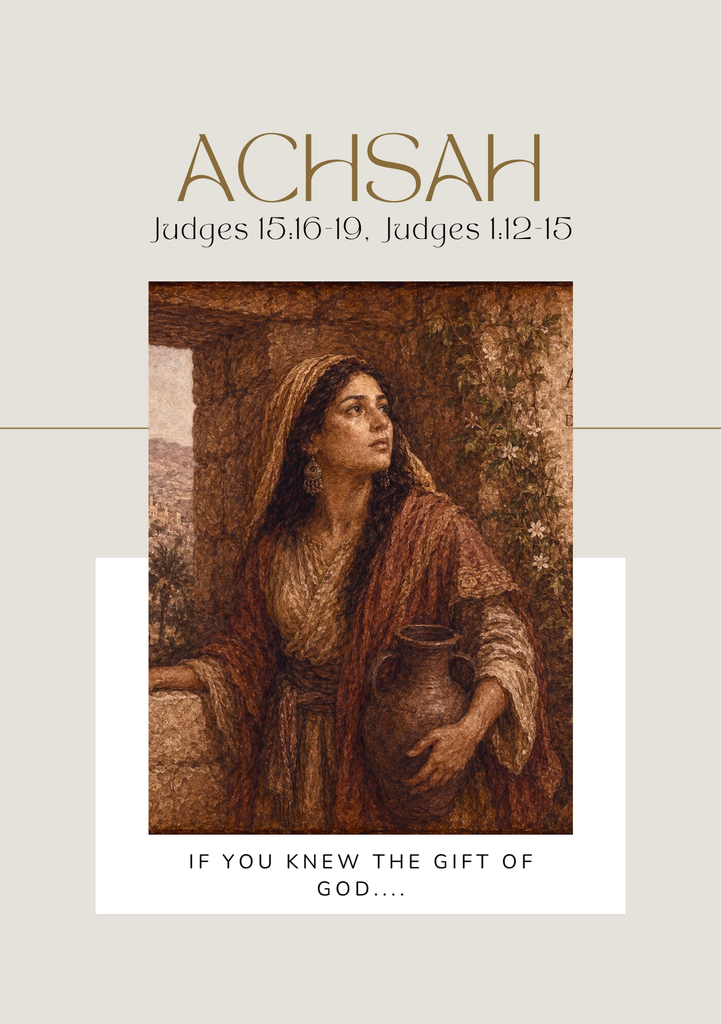
If you are wondering how to pronounce this woman’s name, imagine you have a Hacksaw…come over a little bit cockney and drop the H. Your left with an Ack- saw.
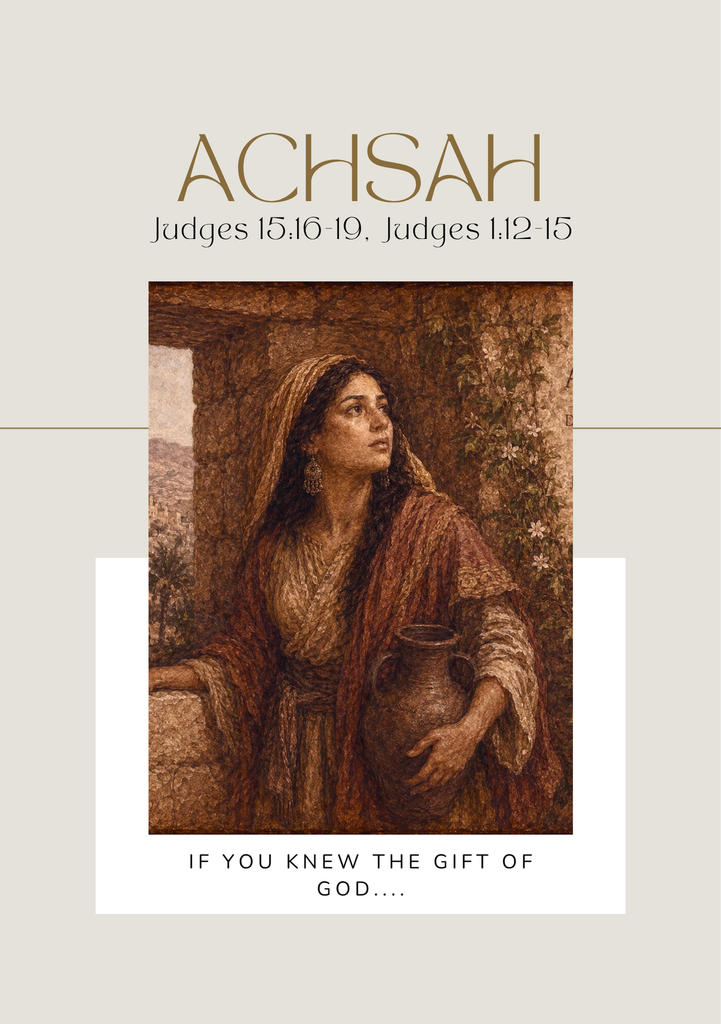
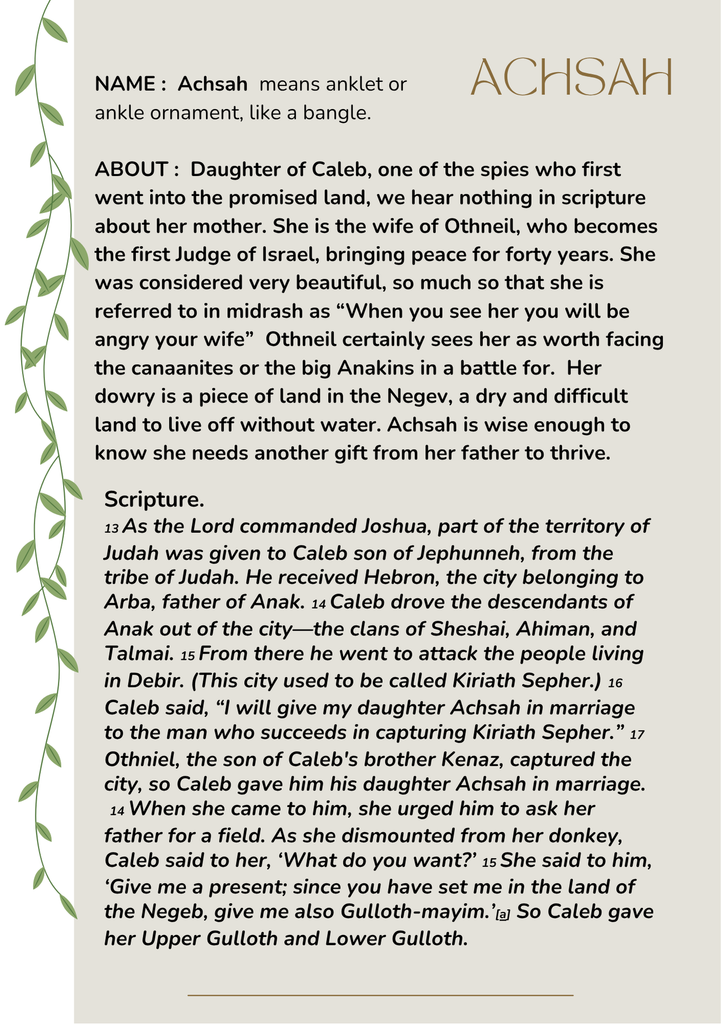
Firstly Achsah’s lineage, her father is Caleb, one of the spies that first went into the promised land to scope it out. If you remember Rahab who married Salmon, well Caleb was that other spy. He is from the tribe of Judah and therefore is given a portion of the land of Hebron when they have taken the land. Her father is a respected and brave warrior. Some of this inherited land however is still occupied. So, Caleb raises a challenge. Whoever overtakes the land of Kiriath-Sepher will be given my daughter as his wife. Kiriath- Sepher means city of scrolls or writing, maybe even city of words. , the fact that this story occurs twice in scripture is like God using a highlighter or an underscore. We have to sit with what that means for each of us as we read the story.
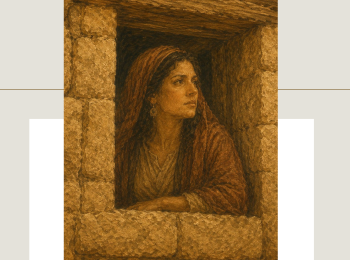
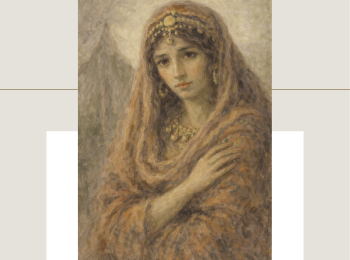
Achsah, we are told is very beautiful; Midrash tells us that her name is synonymous with the phrase “whoever sees her is angry with his wife”. So She was worth going into battle for (with probably the Canaanites, but maybe some of the giant Anakim too) with some fierce and scary men.
Othniel wins the battle and wins her hand. Caleb is probably pleased to have found a worthy son-in-law. As a dowry he gives them some land in the Negev to start their married life with.
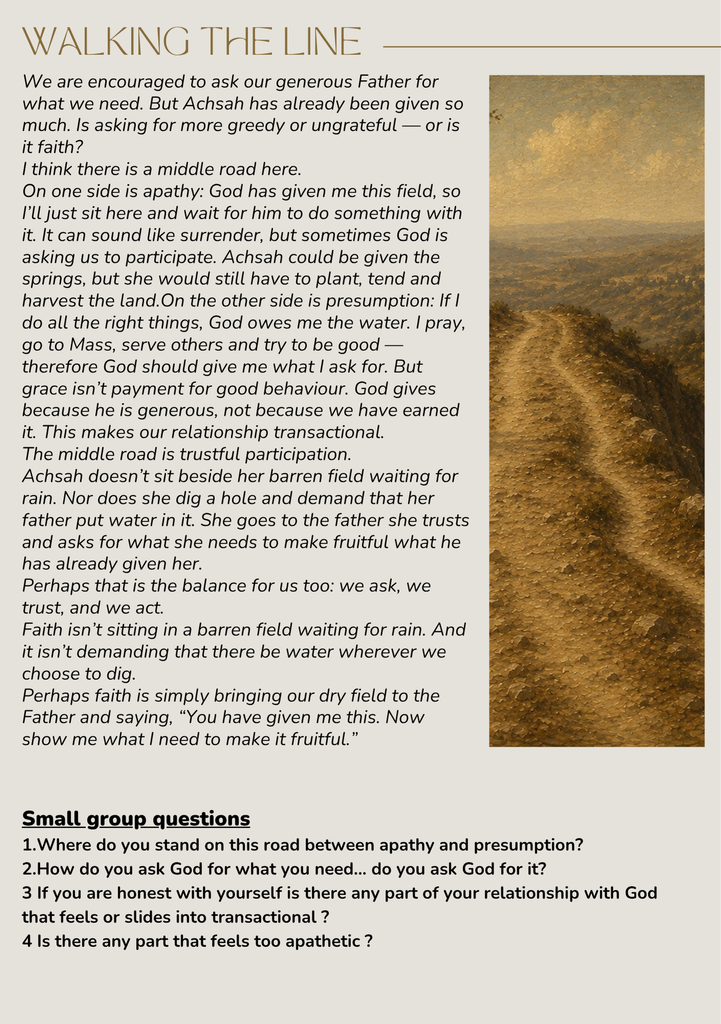
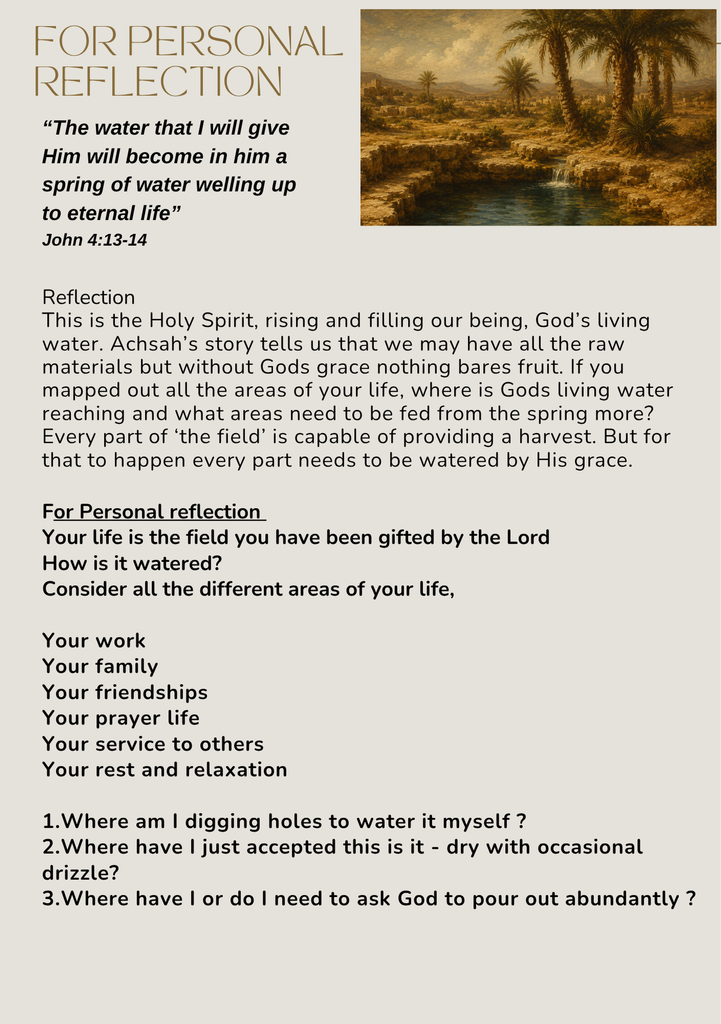
The Negev however is very inhospitable, for most of the year it is desert land, but when the rain comes, water rushes through the dry riverbeds and for a season the landscape comes alive. Only to return to desert afterwards. The Negev is also a gateway into the promised land. Not a lush comfortable place but a dry and harsh place, the kind of place that calls you to rely on God’s providence. I think there’s a spiritual significance here which we will get to later.
Achsah, perhaps realising that this land would never reliably feed them, tells her husband to ask Caleb for a field, and then we are told she comes herself, gets off her donkey (in an act of respect) and asks her father for a spring also, ‘as a blessing’. It is all a bit unclear if Othneil did in fact ask for the field or if he was reluctant and Achsah does it herself. Caleb however gives her the spring, not just one but two, the upper and lower springs. and that’s all we hear of her, Othniel goes on to be the first judge of Israel. They go on to have at least one son, maybe two. Hathath and maybe Meonothai
We covered praying with confidence when we looked at the daughters of Zelophehad, and in many ways their request was far riskier and braver. Achsah asks a father that she knows to be fair and good, and also, I think delights in her, so it’s not so difficult to approach with a request if this is the relationship we have, and perhaps this mirrors the one we are called to have with God our father.
There is also a huge theme running through this of water, water that brings renewal, life, regeneration, and fruit. It’s helpful to understand there were a few ways of accessing water in these lands.
Rain could be harvested and stored in underground cisterns for use during the dry seasons. This became pretty stagnant and smelly after a time, and when you started to reach the bottom, it would have been filled with sludge and all sorts of nasty (remember Jeremiah was thrown into a cistern – no water in there but lots of mud). Often the plaster coating the inside cracked and the precious water was lost. It also relied on unreliable rain to fill it up.
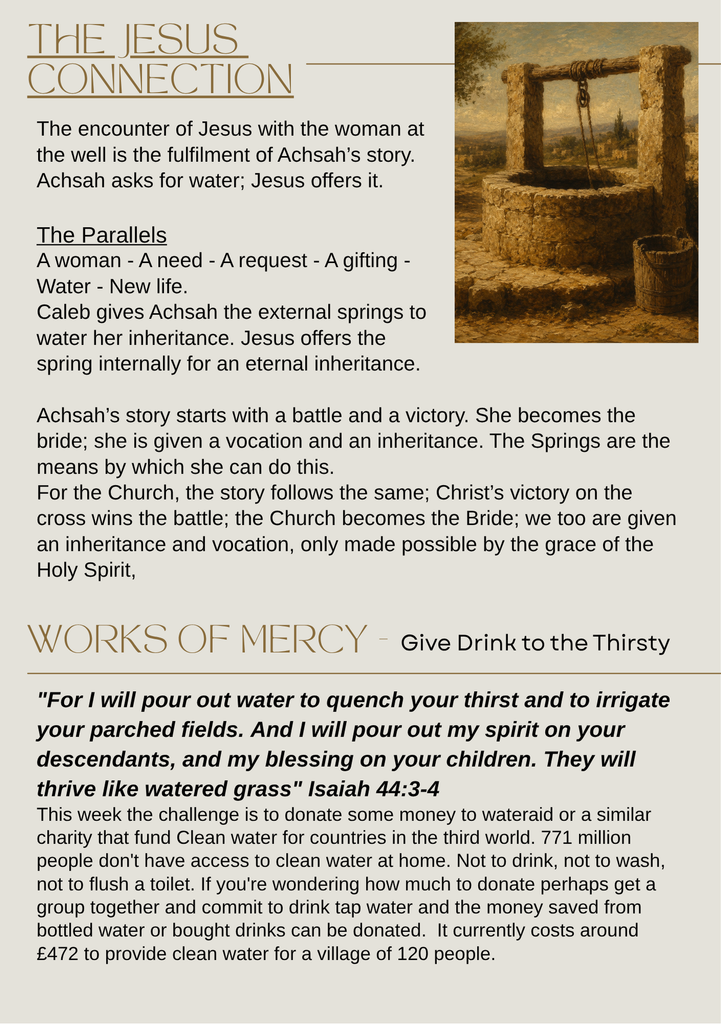
You could dig a well, this took a huge amount of work and wasn’t a quick fix, you would have to dig through soil and sometimes rock, wells could dry up and access to it could easily be denied by whoever owned the land it was on. so owning a well meant only reasonable water security, and the water had to be fetched up to the top, drawn up in buckets and then carried to your home. We know wells became great places of meeting especially for a spouse. The water was of a better quality than a cistern but not as good as water from a spring. Maybe the company made up for it.
However, if you could possibly, pitch by a spring: a constant supply of fresh water, water that comes to you. That is always available, renewed and fresh. That is coming from the source. This was reliable, it was clean, fresh, and easy to access.
Jesus tells us he is the living water; he tells the woman at the well of the living water. There are a ton of scripture references using this living spring water as a metaphor for God’s ability to renew, cleanse, bring life, growth and fruit. That He is the source of life and importantly He is always available and comes to us.
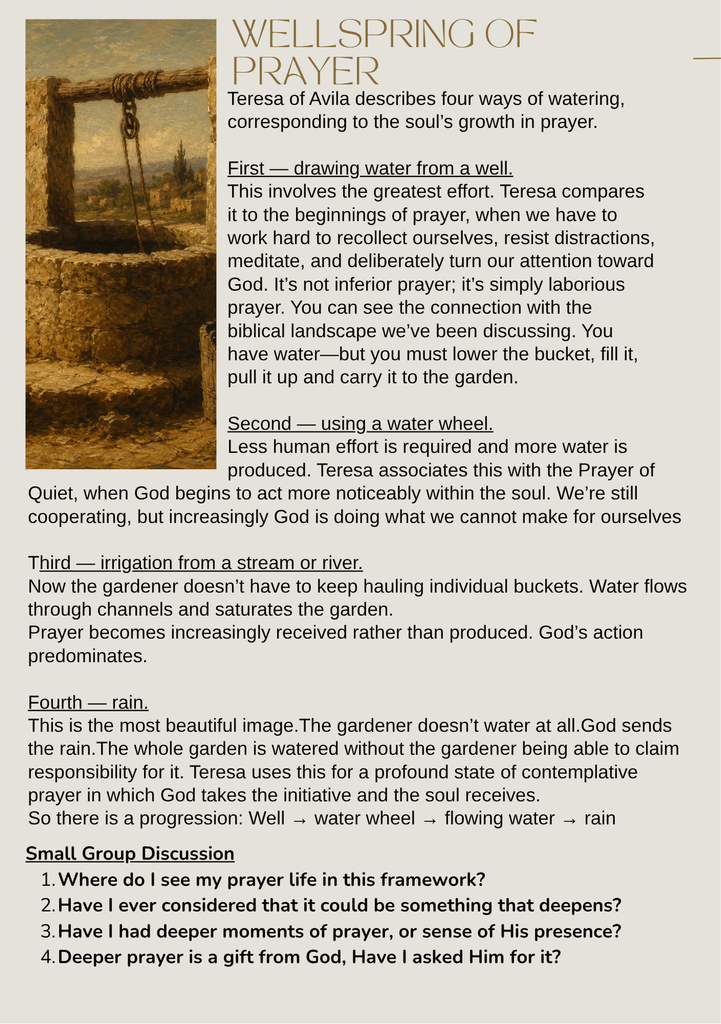
Teresa of Avila uses the various watering methods to describe different stages of prayer; they illustrate beautifully the amount of effort we are to provide and the generosity of God. I’ve included these in the booklet.
Let’s look at this story symbolically.
The land — our human nature and the life entrusted to us.
The dryness — what human nature cannot accomplish by itself.
Achsah’s thirst — our desire for God.
Her asking — prayer.
The Father — the God who delights to give.
The springs — the life of God given to us.
The living water — the Holy Spirit and the grace he pours into us.
The lower springs — grace at work in ordinary human life.
The upper springs — grace drawing us into supernatural communion with God.
The watered field — human nature not destroyed by grace, but perfected by it: becoming fruitful.
Where is Jesus in this story?
The story of the woman at the well first comes to mind for me. Theres a contrast, Achsah knew she had dry land and needed water, the Samaritan woman has settled for the well “if you knew the gift of God… you would have asked Him, and He would have given you living water”
It’s Jesus that awakes her to her thirst for something more life giving. Achsah’s relationship with her father meant she knew to ask for the gift of living water. The woman at the well needed the encounter first to know there even was another way to be
I’ve been there; I have friends still there digging wells, scraping muck from a failing cistern, drinking from water that will increase the thirst rather than ever satiate it. Never once going to the source. I also know people who have been raised confident in a loving God’s provision. Just as Achsah does, coming as a daughter and a bride, asking for the blessing.
“The water that I will give him will become in him a spring of water welling up to eternal life.” John 4:13-14
Achsah asks for the spiritual equivalent of fulfilment. Note she doesn’t reject the gift of the land she has been given but asks for what she needs to allow it to prosper and nourish. I wonder if we look at our lives, our bodies, our work and wish God would change it- so tempting to see the fault lying there rather than our failure in asking the Lord to bless and fill what he has already given us.
So here is the crux. Achsah doesn’t ask her father to take back the land. She asks him for what the land needs in order to become fruitful. And perhaps that is our prayer too. We don’t necessarily ask God for another life, another field, another set of circumstances. We ask him for the living water that will enable this life to bear fruit.
We come as daughters to a Father whom we trust is good, and we say: “You have given me this field. Now Father, give me the springs.”
Download the small group resource here