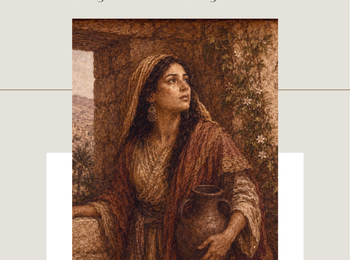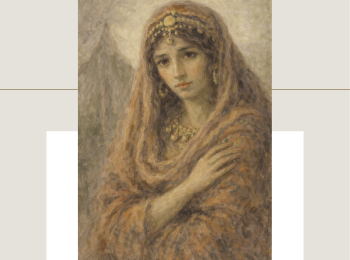
One of my favourite films is Pretty Woman, Julia Roberts plays a prostitute who is “employed” for her services by the handsome Richard Gere, a rich businessman who doesn’t wish to sleep with her but has her escort him to various functions whilst he is in town. Anyway, there’s a rags to riches makeover and they fall in love and live happily ever after. It paints prostitution in a very positive light that isn‘t accurate or true, but it’s the Cinderella transformation that catches my heart. (and also that I want to be Julia Roberts when I grow up). I find Rahab here, deep in the “before” story, yet, in a moment she makes a bid for an unknown and risky freedom, so desperate was her need for transformation and change.
Rahab it seems is very entrepreneurial, and it’s hard to know which is the side hustle and which is the main job, the prostitution, the innkeeping or the flax/ linen business. All three no doubt serve to keep the roof over her head and it sounds like support her family. There is no mention of a husband and, well, men didn‘t marry women like Rahab, not even Canaanites whose morals to us would appear to be very questionable. So she has learnt to be self-sufficient.
Self-sufficiency can easily lead to pride and isolation, but in this case, it seems to have taught Rahab to be a savvy survivor. No matter what life throws at her, she finds a way to navigate it. We often live in a mode of survival and self-sufficiency without realising the damage it may cause, and in many instances, it’s not a deliberate choice. The key factor is knowing when to seek support and recognise the opportunities being offered to us. I believe Rahab saw this moment and grasped it.
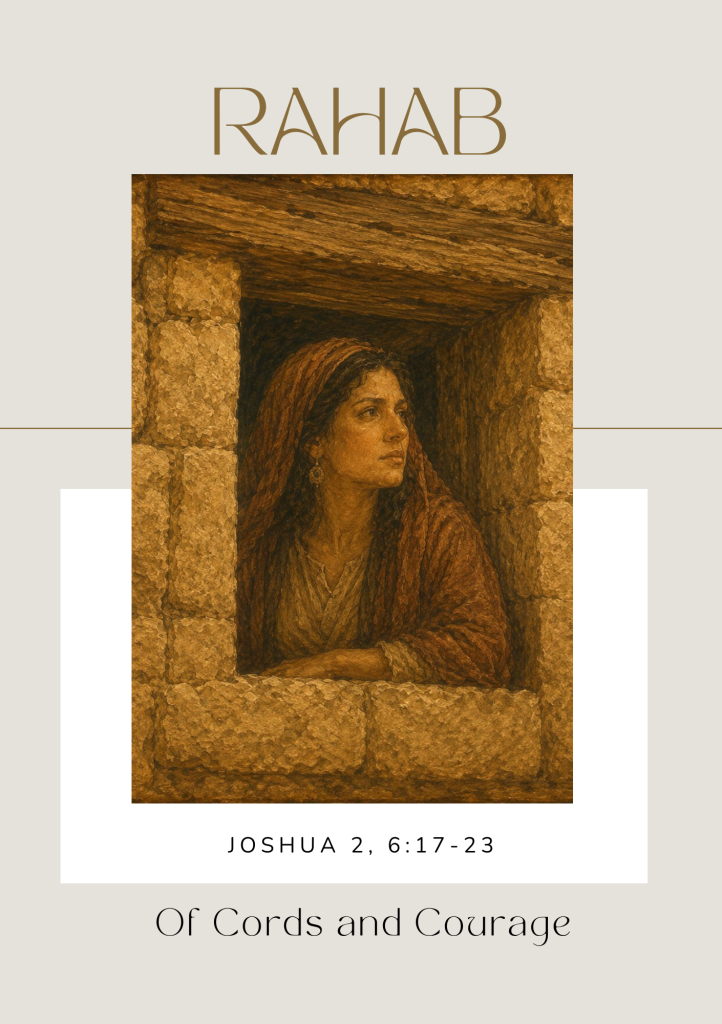
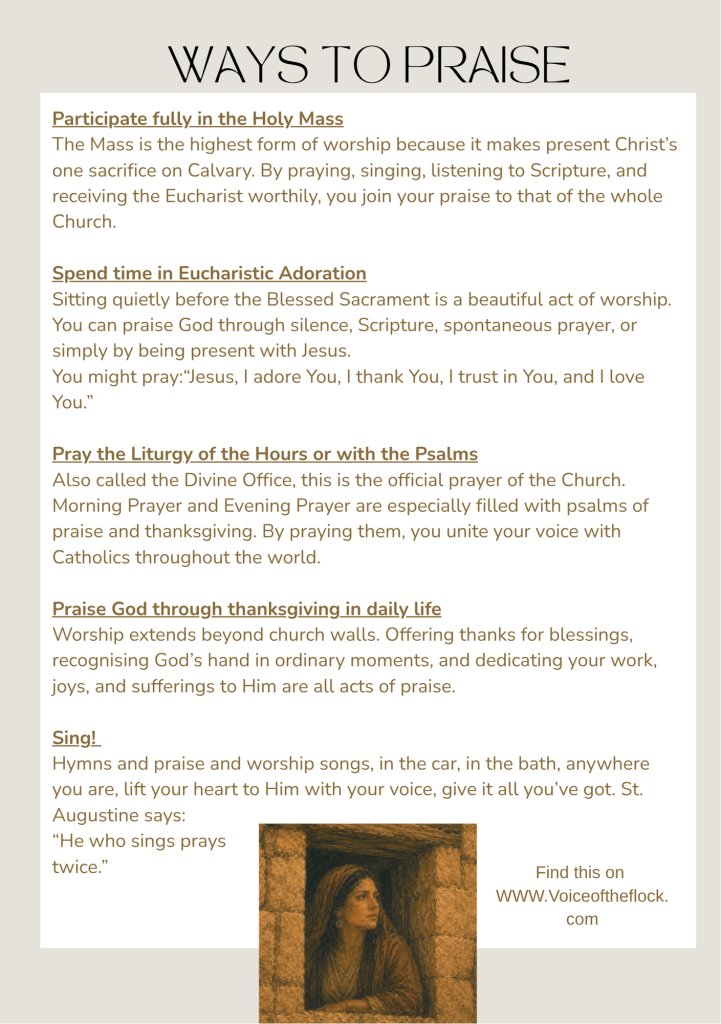
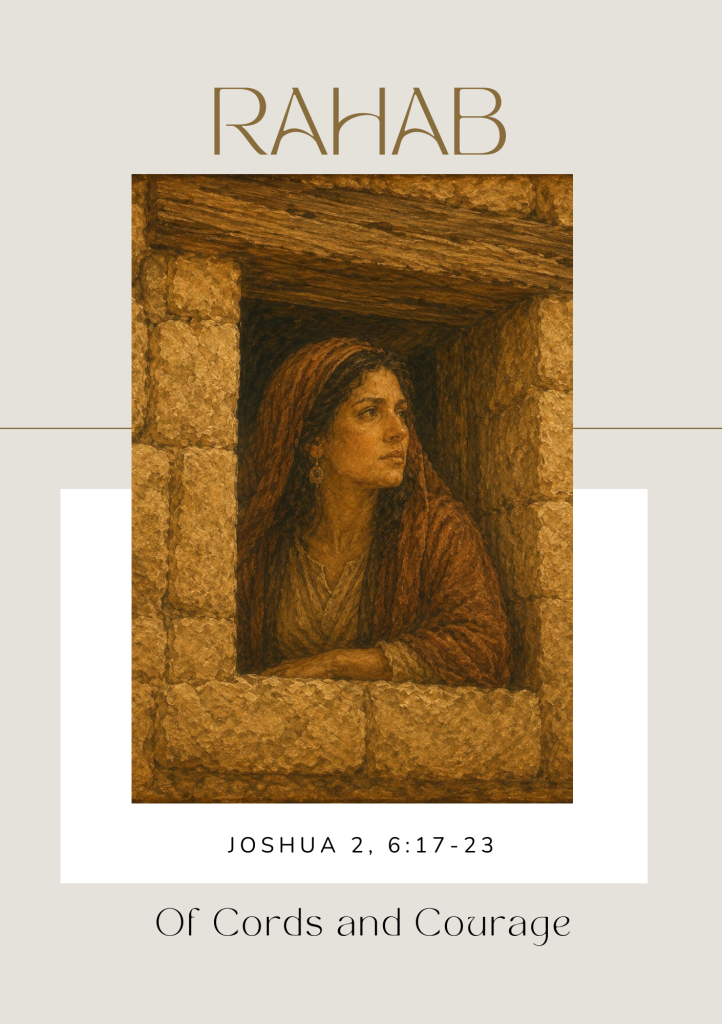
I think there are seasons for all of us, where we wish someone would take the burdens of merely surviving, when we feel the treadmill is set to incline, but to step off it seems like a terrifying risk, to stop means a complete collapse of everything we are maintaining. I wonder how many times in that last year Rahab had looked out of that window in the city wall and wanted someone to rescue her, for a way out of a life just surviving. I look at the hardness of Rahab’s life and know she must have been longing for some form of freedom, the kind of freedom that God has created us for at our core. Jericho saw the walls as protection. I think Rahab felt a little different. Security can easily become oppressive and stifling. Maintenance can have us living in the confines of a wall, and the need to survive tells us to stay put.
I wonder if she saw the deal with the spies as just another potential battle to face and another season to survive. The dialogue between them both is very transactional; we are given more of the details of the oaths than I feel we would normally. There’s a crossing of the “T”s feel. These are two parties with every reason to distrust each other, but Rahab weighs up her options and plumps, wisely for the God of the Hebrews. We can uphold her as an amazing beacon of faith, and yes, sure, but that steals the humanity from her story; it makes her inaccessible to us living normal lives, those of us feeling trapped in maintenance mode. If it’s Rahab’s own faith that saves her, we are all doomed. No, it’s the opportunity held out to her, orchestrated by God, that she is given the grace to seize. She should be, however, rightly commended for the courage to grasp it. So very many live and die behind the walls, fearing the change they truly desire.
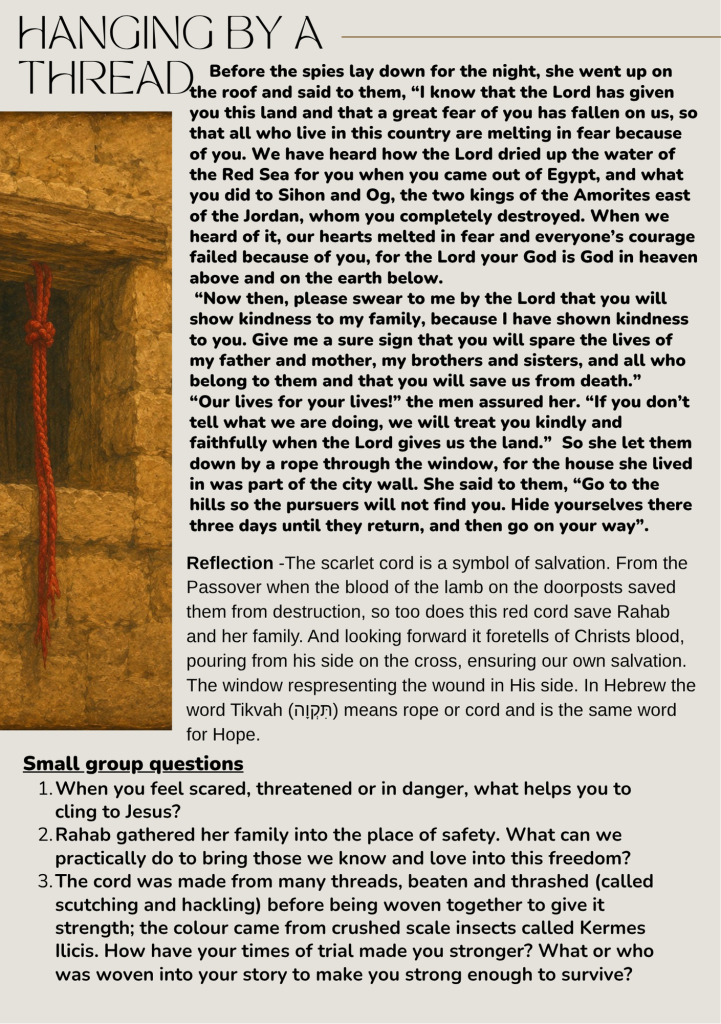
We can’t neglect to mention the significance of the red cord; the symbolism is beautiful. We are taken back to the Passover, when the red blood of a sacrificed lamb adorned a door and ensured the safety of that house. Rahab’s cord, dyed red with the blood of crushed scale insects, assures her household of the same safety. And then, moving forward to Christ on the cross, with the blood pouring from His side, Jesus sacrificed for our salvation. Rahab’s window symbolising the wound in His side.
“Deep in thy wounds Lord, Hide and shelter me” Soul of my Saviour
We later hear that with the chanting of praise around the perimeter, the walls have come down and Rahab and her family are saved, she marries Salmon, and goes on to be an ancestor of Jesus, she becomes the mother of Boaz.
Just a lovely note to end on, it is thought that Salmon was in fact one of the spies she hid, that their shared experience forged a connection, beyond each other’s survival, but a fulfilled life that bore fruit. And isn’t that what Jesus comes for, what He saves us for, to give us life to the full. Ahh but first those walls need to come down, and the key to that we can see is praising the God who blesses and leads us to abundance.
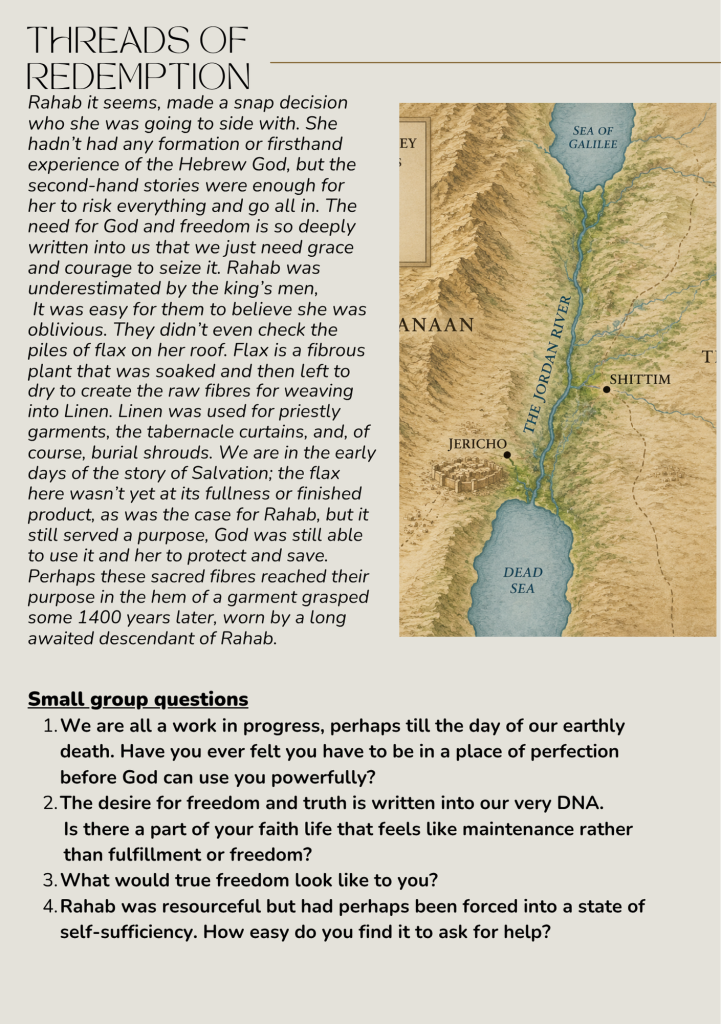
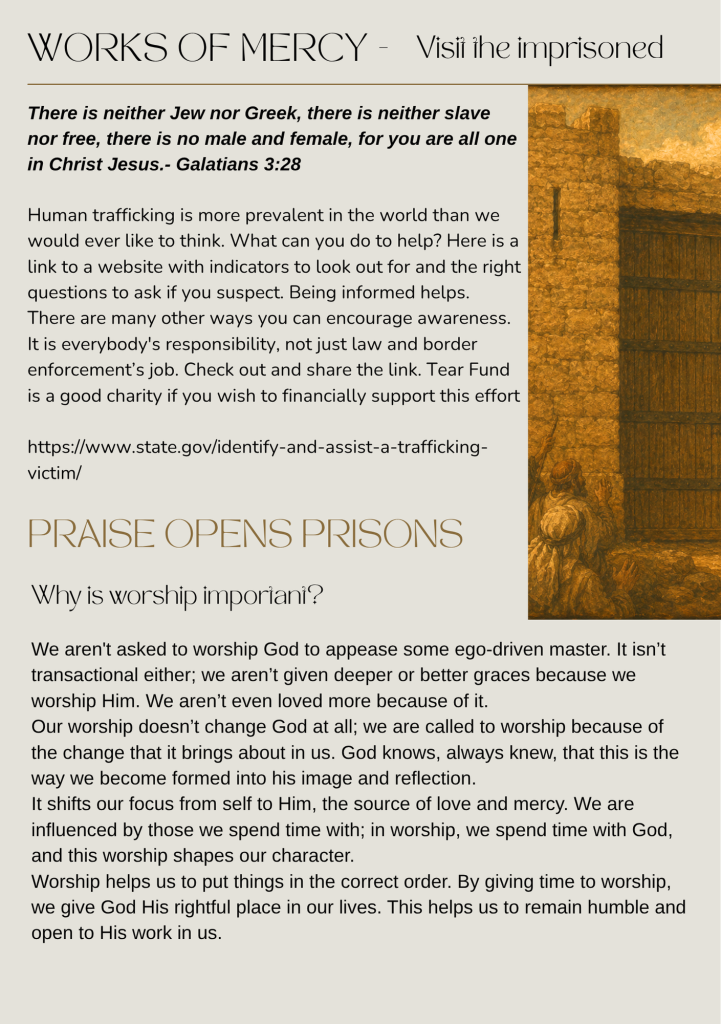
(The story of Jericho reveals some fascinating details that are often overlooked. Jericho had a vital spring, which provided the purest water in the region—a reliable and fresh supply. This spring enabled the cultivation of flax and supported a wealthy population due to the abundance of food and resources it provided. However, the city took control of this essential water supply, which was a key reason why it was crucial for the Israelites to capture Jericho. The walls kept people out, and they also kept people in. Walls say this isn’t for everyone – God breaks down the walls and invites outsiders in and sets insiders free. Even when all gates seem closed, He makes a way )
Download your small group resource here